Hit the Beat: Training Your Internal Clock for Flawless DOA3 Combo Execution
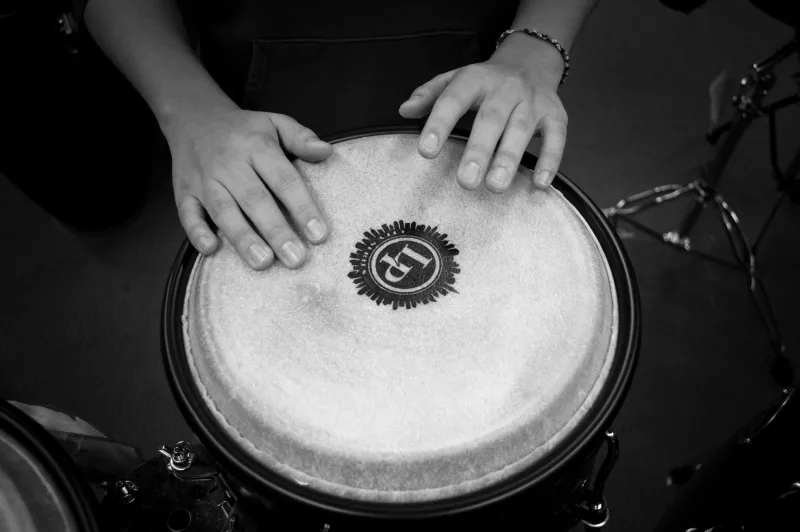
There's a moment every serious DOA3 player eventually hits. You've run the combo in training a hundred times. You know the inputs cold. Then tournament day arrives, nerves kick in, and suddenly your fingers are either a half-second early or you're dropping the link entirely. Sound familiar? Welcome to the timing problem — and it's more musical than you might think.
Dead or Alive 3 has always been a bit of an oddity in the fighting game space. Where games like Tekken reward tight, rhythmic button cadence and Street Fighter demands near-frame-perfect links, DOA3 operates on a system that's more elastic — but not forgiving. The windows exist, they're real, and they punish players who treat this game like a button-masher just as hard as they punish players who overthink every input.
If you've ever played an instrument — or even just kept time to music — you already have the foundation for understanding what DOA3 is actually asking of you.
Why DOA3 Timing Feels Different
Most fighters have what you'd call a "metronome" approach to combos. Hit this, wait this many frames, hit that. It's clockwork. DOA3 doesn't fully abandon that logic, but it layers on top of it something closer to swing timing in jazz — there's a pocket, a feel, and landing in that pocket consistently requires internalizing the rhythm rather than counting beats.
The game's combo windows vary depending on hit stun, character weight class, and even stage geometry when a wall or ledge is involved. A launcher combo that works perfectly at mid-stage might have a slightly different rhythm if your opponent bounces off a wall first. A follow-up that feels snappy against a lighter character like Kasumi might feel sluggish against a heavier fighter like Bass. These aren't bugs. They're features — and learning to feel them is the whole game.
Think of it like this: a guitarist doesn't count every sixteenth note when they're playing live. They've internalized the pulse. That's exactly what elite DOA3 players are doing when they're landing consistent combos under tournament pressure. They're not thinking about frames. They're feeling the rhythm of the exchange.
The Three Timing Zones Every Player Needs to Know
Breaking DOA3's combo windows down into musical terms can actually make them stick better in practice. There are essentially three zones to be aware of:
The Pocket — This is your sweet spot. The input lands, the combo connects cleanly, and you're in control. Most of your training should be aimed at landing here consistently. It's the equivalent of playing right on the beat.
The Rush — You've gone early. The input comes out before the hit stun has properly set up your follow-up. You'll either whiff entirely or get a weakened, scaled version of the hit. In music terms, you've played ahead of the beat — technically present, but off. This is the most common mistake for players who are nervous or excited.
The Drag — You've gone late. The hit stun has expired, your opponent has recovered, and now you're wide open for a counter. This is the equivalent of dragging behind the beat. It tends to happen when players are second-guessing themselves or trying to be too precise.
The goal isn't perfection — it's consistency within the pocket. And the way you get there is through deliberate repetition that trains feel, not just muscle memory.
Deliberate Practice vs. Mindless Repetition
Here's where a lot of players go wrong in the training room. They run a combo fifty times back to back, call it practiced, and move on. But if you're not actively listening to what your inputs feel like — and occasionally messing them up on purpose to identify your edges — you're not really training timing. You're just warming up.
A better approach: pick one combo. Run it cleanly five times. Then deliberately try to land it early and notice what breaks. Then try to land it late and notice the same. Now you know your window edges. Go back to landing it clean. Your body now has a reference point for where the pocket actually is, not just a vague sense of "do the thing."
This is the same logic behind how musicians practice dynamics — you don't just play everything at medium volume and call it good. You play it loud, then soft, then medium, so medium actually means something to your hands.
Tournament Pressure and Tempo Drift
Here's the dirty secret of competitive DOA3: your internal clock speeds up when you're nervous. Adrenaline does that. Heart rate goes up, perception of time compresses, and suddenly you're rushing every input by about fifteen percent. Players who haven't accounted for this find themselves consistently in the Rush zone during high-stakes matches — landing too early, dropping combos, and then overcorrecting into the Drag zone trying to slow themselves down.
The fix isn't to "calm down" — that advice is useless in the moment. The fix is to train at a deliberately slower tempo during practice sessions so that your nervous-system baseline is already calibrated lower. If your comfortable training pace is slightly behind where you'd play in a match, then tournament adrenaline brings you right into the pocket instead of ahead of it.
Some players find it useful to actually play music during training — not as background noise, but as a tempo reference. Pick something with a clear, steady beat and try to feel whether your inputs are landing on the pulse or off it. It sounds weird until the first time you notice your combos getting tighter because of it.
Making It Click in Real Matches
The endgame here isn't to be thinking about timing at all during a real match. It's to have internalized it so completely that your focus can stay on your opponent — their patterns, their tendencies, their tells — while your hands handle execution on autopilot.
That level of comfort takes time. But it's achievable, and the players you see landing clean, consistent combos in high-pressure tournament sets got there through exactly this kind of deliberate, rhythmic practice. They hit the beat. And now it's second nature.
Stop counting frames. Start feeling the pocket. Your execution will thank you.