Last Breath Wins: Advanced Tactics for Turning a Near-Loss Into a DOA3 Victory
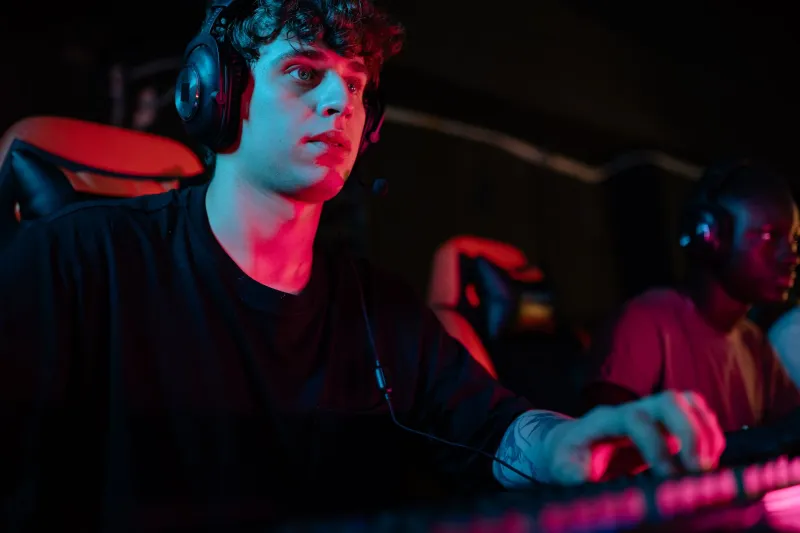
You're down bad. Health bar is a sliver. Your opponent is playing loose because they think this round is already theirs. The crowd — or in your head, the crowd — has basically written you off. This is exactly where DOA3 separates the competitors from the players who just show up.
Comebacks in fighting games aren't accidents. They're not luck, and they're definitely not just "landing one big hit." They're the result of a specific set of psychological and mechanical adjustments that happen in real time, often in the span of a few seconds. Understanding what those adjustments are — and being able to execute them when your hands are shaking and your heart is pounding — is what the highest level of DOA3 play actually looks like.
This is the guide for that moment.
The Overconfidence Tax
Let's start with your biggest asset when you're losing: your opponent's mental state. When someone is sitting at seventy or eighty percent health against your twenty, something shifts in their decision-making. They get less precise. They start pressing their advantage rather than playing their game plan. They take risks they wouldn't take in a close match because the downside feels manageable from their perspective.
This is what experienced players call the overconfidence tax — and it's very, very real. Your job when you're deep in a deficit isn't to panic. It's to collect that tax.
The opponent who's ahead often starts relying on the same two or three moves that got them there, repeating patterns because those patterns have been working. They may start going for flashier punishes than the situation actually requires. They might get greedy on okizeme when they should be playing it safe. Every one of those tendencies is an opening that didn't exist when the match was close.
The moment you recognize that your opponent has shifted into "close out mode," your defensive awareness should spike. You're not just reacting anymore — you're hunting for the pattern.
Risk Management at Critical Health
When you're at twenty percent, the math of the match has fundamentally changed, and your decision-making needs to reflect that. Moves and options that were reasonable at full health are no longer viable. Anything that puts you in a vulnerable position on whiff, anything that can be countered for big damage, anything that requires you to guess correctly twice in a row — these are off the table.
Your risk profile at critical health looks like this: low-risk, high-reward. That means:
Prioritizing counter setups over offense. DOA3's hold system is one of the most powerful defensive tools in any fighting game when used correctly. At low health, your opponent is likely pressing forward. That pressure creates counter opportunities. A single clean hold into a punish can completely flip the momentum of the round.
Using movement to bait commitments. Backdash, sidestep, create space. Make your opponent throw out a move they're not fully committed to and punish the recovery. You're not running away — you're creating the conditions for a high-percentage punish.
Simplifying your offense. This is counterintuitive, but at critical health you don't want to be running complex combo routes. You want reliable, shorter strings that are harder to counter and less likely to drop under pressure. One clean combo from low health can end a round. You don't need the flashy stuff — you need the stuff that actually lands.
Character-Specific Desperation Tools
Not every character in DOA3 handles low-health situations the same way, and knowing your character's specific strengths in desperation scenarios is worth actual tournament wins.
Characters with strong counter-game tools — think fighters with wide hold windows and powerful punish options off those holds — become significantly more dangerous at low health because their opponent's aggression feeds directly into their best mechanic. If you're playing a character like this, lean into it hard. Make your opponent throw punches.
Characters who are primarily offensive need a different approach. Their job at low health is to control pace — not to rush blindly, but to create the specific offensive situation where their best single-hit damage options are available. That might mean a specific stance, a specific range, or a specific okizeme setup that they've drilled enough to execute under pressure.
Know your character's highest-damage, lowest-risk option at close range. Know their best option at mid-range. Know what move they have that opponents are least likely to be looking for when the match is on the line. These aren't things you figure out in the moment — they're things you drill in training specifically so they're available when everything else is chaos.
The Psychological Reset
Here's the piece most guides skip: your own mental state matters just as much as your opponent's. When you're losing badly, there's a natural tendency to either panic-mash or mentally check out. Both responses are fatal. What you actually need is a deliberate psychological reset.
Elite players describe this as narrowing focus. Instead of thinking about the health bars, the round count, the stakes — they zoom in on the immediate moment. What is my opponent doing right now? What are they about to do? What's the single best response to that?
One breath. One exchange at a time. The match isn't over until it's over, and DOA3 is a game where a single counter into a wall combo can swing everything. You've seen it happen. You've probably had it happen to you. The players who can access that narrowed focus under pressure are the ones who pull off the comebacks that people talk about for weeks.
Winning the Round You're Not Supposed to Win
There's a specific joy to a DOA3 comeback that you don't get from dominant victories. It's earned differently. It requires a different kind of intelligence — adaptive, patient, and ruthless about exploiting the exact moment your opponent stops respecting you.
That moment always comes. Your job is to be ready for it.
Twenty percent health. One read. One clean exchange. That's all it takes. Get your head right, know your tools, and let your opponent's overconfidence do half the work for you. The arena isn't over until the final frame.